A Taste of South African Heritage: Traditional Favorites
Welcome to a culinary journey through the heart of South Africa! At Taste of Ubuntu, we celebrate the rich and diverse food traditions that have shaped our nation's identity. This page is dedicated to showcasing some of our most cherished traditional recipes, passed down through generations. These dishes are not just meals; they are stories of our history, culture, and the spirit of "Ubuntu" – the belief in a universal bond of sharing that connects all humanity.
Bobotie: A Cape Malay Classic
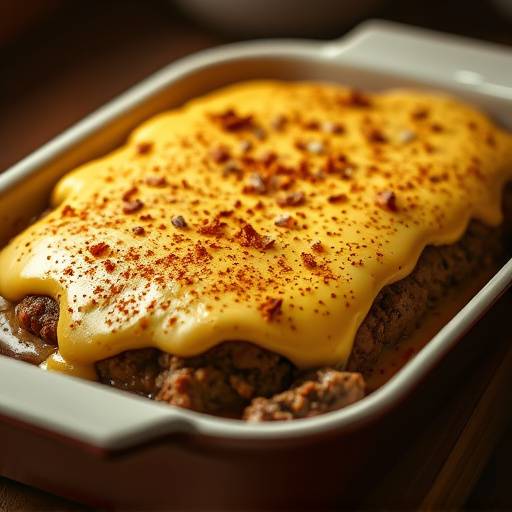
Bobotie is arguably South Africa's most famous dish, a testament to the Cape Malay influence on our cuisine. This flavorful baked minced meat dish is seasoned with fragrant spices like turmeric, coriander, and curry powder, and then topped with a creamy egg custard. The origins of Bobotie can be traced back to Indonesia, brought to South Africa by enslaved people in the 17th century. Over time, the recipe evolved, incorporating local ingredients and flavors. Today, Bobotie is a beloved comfort food, enjoyed by families across the country.
The subtle sweetness of the dried apricots or raisins often added to the mince complements the savory spices beautifully. Serve it with yellow rice, chutney, and a dollop of yogurt for a complete and satisfying meal.
Biltong: South Africa's Favorite Snack
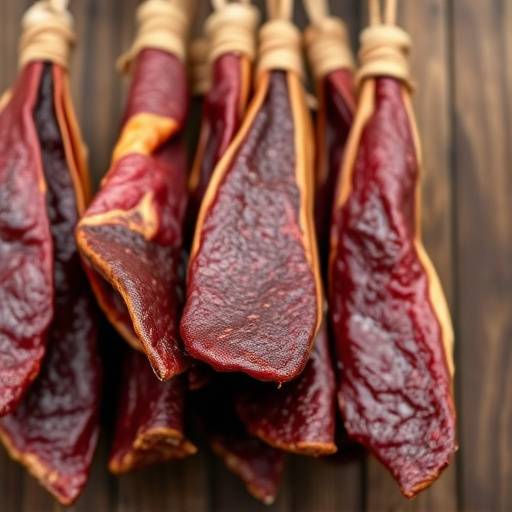
No exploration of South African cuisine is complete without mentioning Biltong. This cured, air-dried meat is more than just a snack; it's a cultural icon. Similar to beef jerky, Biltong is typically made from beef, but can also be made from game meats like kudu, springbok, or ostrich. The meat is marinated in a mixture of vinegar, salt, coriander, pepper, and other spices, and then hung to dry for several days.
The drying process is crucial, as it not only preserves the meat but also develops its characteristic flavor and texture. Biltong is a popular snack at sporting events, braais (barbecues), and just about any social gathering. Its rich, savory flavor and satisfying chewiness make it irresistible. Variations include different cuts of meat, spice blends, and levels of dryness.
Bunny Chow: A Durban Curry Delight
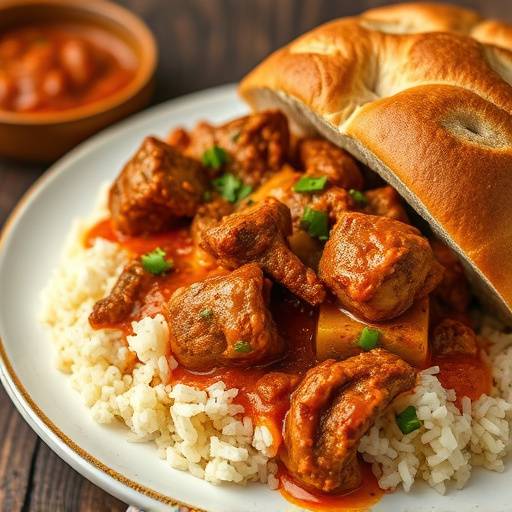
Hailing from Durban, Bunny Chow is a unique and iconic street food. It consists of a hollowed-out loaf of bread filled with a spicy curry, typically mutton or beans. The origins of Bunny Chow are somewhat debated, but it is generally believed to have originated in the Indian community of Durban during the apartheid era. The story goes that Indian laborers needed a convenient way to transport their lunches, and the hollowed-out bread served as a perfect container.
Bunny Chow is more than just a meal; it's an experience. The combination of the soft bread and the flavorful, spicy curry is incredibly satisfying. It's traditionally eaten with your hands, using the bread to scoop up the curry. Variations include different types of curry and sizes of bread.
Potjiekos: The Art of Slow Cooking
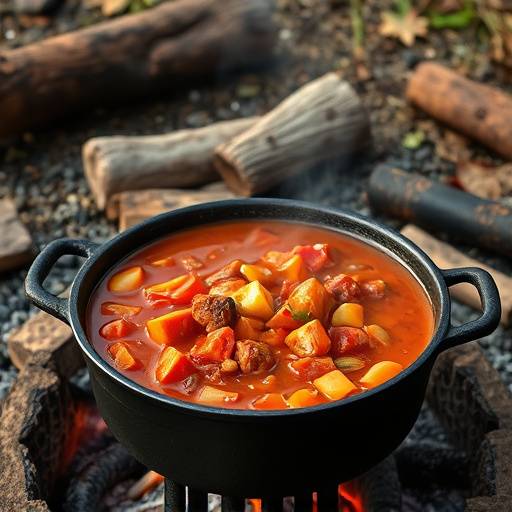
Potjiekos, meaning "small pot food," is a traditional South African stew cooked in a three-legged cast iron pot over an open fire. It's a social event as much as it is a meal, bringing people together around the warmth of the fire. The ingredients typically include meat (often lamb, beef, or chicken), vegetables (like potatoes, carrots, and onions), and spices. The key to a good Potjiekos is slow cooking, allowing the flavors to meld together over several hours.
Each layer of ingredients is carefully added to the pot in a specific order, creating a symphony of flavors and textures. The beauty of Potjiekos is its versatility; you can adapt the recipe to your liking, using different meats, vegetables, and spices. It's a celebration of simple ingredients and the joy of slow, communal cooking.
Melktert: A Sweet Custard Tart
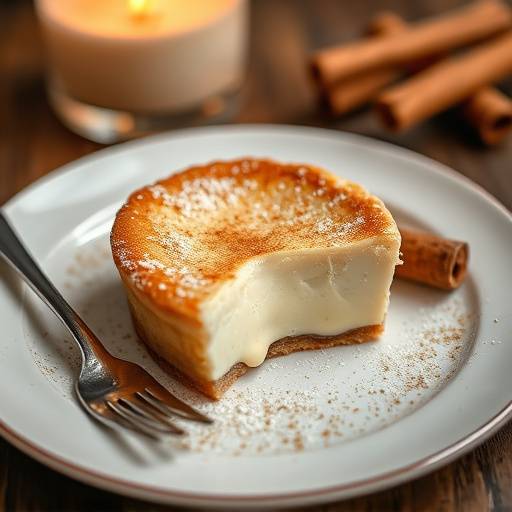
Melktert, or milk tart, is a classic South African dessert that's beloved for its creamy, comforting flavor. It consists of a sweet pastry crust filled with a smooth, milky custard and dusted with cinnamon. It’s a dessert that evokes feelings of nostalgia and home. While its origins are debated, it's believed that melktert evolved from a Dutch milk tart recipe. The South African version is unique in its simplicity and use of local ingredients.
Melktert is often served at family gatherings, church bazaars, and other special occasions. Its delicate sweetness and creamy texture make it a perfect ending to any meal. There are variations to the recipe, with some adding a hint of lemon or almond extract to the custard.
Boerewors: The Farmer's Sausage

Boerewors, meaning "farmer's sausage," is a quintessential South African sausage made from coarsely minced beef (often mixed with pork or lamb) and spices. The most distinctive spice is coriander, which gives Boerewors its unique flavor profile. The sausage must contain at least 90% meat to be officially classified as Boerewors. It's a staple at braais (barbecues) and other social gatherings, often served in a bread roll with chutney and mustard.
The preparation of Boerewors is an art form in itself, with each butcher or family having their own secret recipe. The sausage is typically grilled over an open fire, giving it a smoky flavor that complements the savory spices. Boerewors is more than just a sausage; it's a symbol of South African hospitality and the joy of sharing food with friends and family.
Koeksisters: A Sweet Treat

Koeksisters are a traditional South African sweet treat made from dough that is deep-fried and then soaked in a cold, syrupy mixture. There are two main types of koeksisters: the Cape Malay koeksister, which is spiced with ginger, cinnamon, aniseed and cardamom, and the Afrikaner koeksister, which is twisted or braided. Both versions are incredibly sweet and sticky, making them a perfect treat for satisfying a sweet tooth.
The Cape Malay version is often associated with the Cape Malay community and is known for its distinct flavor profile from the spices. The Afrikaner version is traditionally made by Afrikaner families and is characterized by its intricate shape and generous coating of syrup. Regardless of the version, koeksisters are a beloved part of South African culinary heritage and are often enjoyed with a cup of tea or coffee.
Chakalaka: A Spicy Vegetable Relish
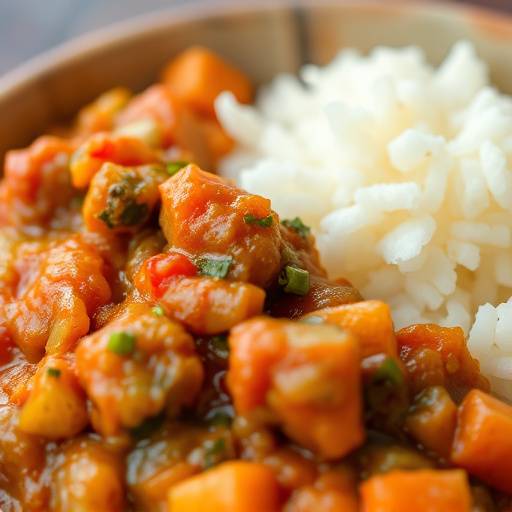
Chakalaka is a spicy South African vegetable relish, often made with beans, tomatoes, onions, peppers, and spices. It's a versatile condiment that can be served hot or cold, and is often enjoyed with bread, pap (maize porridge), meat, or stews. Chakalaka is believed to have originated in the townships of Johannesburg, where it was created as a flavorful and affordable way to enhance basic meals.
Each cook has their own unique version of chakalaka, varying the spices and vegetables to their liking. Some versions include carrots, cabbage, or even chili peppers for an extra kick. Chakalaka is a celebration of simple ingredients and the resourcefulness of South African cooks. Its vibrant flavors and textures make it a popular accompaniment to a wide range of dishes.
Explore More Flavors
We invite you to explore our other pages for more delicious South African recipes:
- Quick Meals - Perfect for busy weeknights!
- Family Dinners - Heartwarming recipes for sharing with loved ones.
- Street Food - Taste the vibrant flavors of South Africa's streets.
- Back to Home - Discover everything Taste of Ubuntu has to offer.
At Taste of Ubuntu, we are passionate about sharing the flavors of South Africa with the world. We believe that food is a powerful way to connect with our heritage and celebrate our diversity. We hope you enjoy these traditional recipes and discover the warmth and hospitality of our culture.